Ballard House: A ‘Force Multiplier’ for Emerging CPG Brands on Amazon 3/16/2026

When it comes to Amazon, many emerging CPG brands find themselves at a crossroads. They have a product that customers love, and they’ve built significant momentum in brick-and-mortar retail or through their website. But when they step onto the Amazon marketplace, they realize the rules of the game are a little more complex to navigate.
That’s where Ballard House comes in. The company acts as a force multiplier for brands across all types of categories looking to scale up their sales on the world's largest e-commerce platform. Ballard House isn't your typical Amazon agency however; they seek to build long-lasting partnerships and put skin in the game by actually buying your inventory and sharing both the risk and the reward.
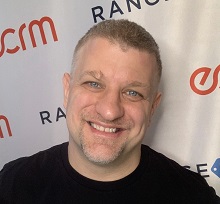
At ECRM’s recent Center Store Grocery Sessions – which covered categories spanning beverages; snacks; coffee, tea & cocoa, canned, dry and boxed foods; and candy, I sat down with Anders Carlson, Co-Founder of Ballard House, to discuss what it takes to succeed on Amazon, and how they help brands to do this.
From ‘Undiagnosed Entrepreneur’ to Amazon Whisperer
For Carlson, the journey to founding Ballard House began with what he calls being an "undiagnosed entrepreneur.” After graduating college and taking a traditional job, the itch to work for himself became undeniable. "I had an entrepreneur's heart beating in my chest, but I was walking the traditional path of go to school, get the grades, get the job," he says. "But as soon as I got the job out of college, I immediately started a side hustle.”
That side hustle evolved from retail arbitrage and wholesale purchasing into a sophisticated understanding of how Amazon’s internal mechanics actually function. The turning point came after the pandemic, when Amazon released a suite of new features focused on brand control.
Carlson realized that the old way of scratching out a buck through reselling was no longer what Amazon wanted. "Amazon wants brands to be in charge of their destiny," he explains. "So how can we help them do that? That was the impetus between shifting into this.”
Today, Ballard House uses those early lessons – and early mistakes – to help brands avoid the hundreds of pitfalls that can derail a listing.
Common Roadblocks Brands Face on Amazon
Many new entrepreneurs assume that what works on a physical retail shelf will work on a digital one. Nothing could be further from the truth, according to Carlson. He warns that this is a dangerous assumption that can lead brands into years of building on the wrong foundation. Following are a few common roadblocks CPG brands can face on the platform, along with ways in which Ballard House addresses them.
The Merchandising Trap
In a physical store, shipping a case of 12 units to a retailer is standard. If a customer buys three individual units, it doesn't change your cost. On Amazon, the math is different. "Everyone's shopped on Amazon and said, 'I'll take three,’” says Carlson. “But as a seller and as the brand, you're tripling your fees if you do it that way. You're going to instead want to make a three-pack, have that offering established. Ballard House helps brands design their merchandising foundation from the beginning to ensure high order values and sustainable margins.”
Navigating the Inbound Placement Fee
Amazon is famous for its regular policy updates, and one of the most significant recent changes was the inbound placement fee. Previously, brands could ship a truckload to one facility, and Amazon would distribute it. Now, doing that can cost 50 to 80 cents per unit – a kiss of death for some smaller brands.
The alternative is shipping to six different locations yourself, but as Carlson notes, "Your price per pound just went through the roof because you're now managing six smaller shipments instead of one large container.”
Ballard House solves this through economies of scale. By using their own trucking lines and consolidating shipments at their facility in southeast Michigan, they allow emerging brands to piggyback on partner shipments, gaining access to shipping rates they couldn't achieve on their own.
Not Focusing on Momentum
Amazon’s search algorithm doesn't care about your brand story as much as it cares about momentum, according to Carlson, who describes Ballard House as the "Amazon whisperer," understanding the language the machine uses to talk to products.
A prime example of this is its work with Health Garden USA, a sugar substitute brand they met through ECRM. Health Garden had great products but was struggling with an outdated methodology and a diluted catalog.
"They actually were doing this thing where they had 10 different variations of the same product – different sizes of the same sugar," Carlson says. "We said, 'Let's make it three,' because Amazon is all about momentum, and so in doing that we're turbocharging momentum. And so the algorithm is picking up those consolidated sales in a really sweet way.”
By consolidating the diluted sales of ten SKUs into three, the brand's visibility skyrocketed.
A Different Kind of Partnership: Skin in the Game
Perhaps the most unique aspect of Ballard House is its business model. Unlike agencies that charge heavy retainers or a percentage of ad spend regardless of performance, Ballard House operates as an exclusive retail buyer.
"We really feel that you need to be as invested in the success as the brand to do this," Carlson says. "We believe that you shouldn't get to participate in that upside if you didn't participate in the risk along the way.”
How it works for CPG brands:
- No Monthly Fees: Ballard House’s flagship offer has no retainers or management fees. They live inside the difference between the wholesale price and the retail price.
- Immediate Cash Flow: Because they buy the inventory upfront, it provides brands with found investment to fund other areas of growth.
- Aligned Incentives: Because Ballard House owns the inventory, they are incentivized to manage advertising, content, and competitor research at the highest level – without charging extra for it.
This model is particularly attractive to CPG companies because it fits their existing core economics: produce product, get it into distribution, and get paid. Ballard house takes all of the Amazon busywork off of their plates so they can focus on their brand.
“When you're an emerging brand, you need to be focusing on awareness,” says Carlson. “What you don't want to be dealing with is your listing that shut down because Amazon said, ‘Hey, this little feature here that's against the rules’ when it's really not, and you have to go back and forth just to convince them that you are following the rules. That kind of headache will shut down all of your momentum. Let us do our proven process while you prove it as a brand.”
What Ballard House Looks For in Brand Partners
Because Ballard House puts their own capital on the line, they are selective about their CPG brand partners. They use a "Three Ps" model to evaluate potential relationships:
- People: Ballard House has a "no jerks" policy. They look for long-term partnerships built on mutual respect.
- Product: They perform due diligence to ensure the product is truly "amazing" and ready for the market.
- Potential: They look for products with a high ceiling—ideally $5 million+ in annual sell-through—and a team that is "aggressive and wants it".
While they are brand agnostic – working with everything from food and beverage to music stands – they prefer products that are small, light, and expensive to maximize growth margins.
Are You Ready to Win on Amazon?
If you're a founder or CEO currently spending your days resolving Amazon support cases instead of working with influencers or growing your brand, Carlson has a simple message: "Let us do our proven process while you prove it as a brand.”
Ballard House's core value is Play to Win; They aren't looking for partners who are satisfied with 0.5% annual growth; they want brands that are hungry to attack and grow their market share. "We're a force multiplier," Carlson says. "We're going to take what you want to achieve and we're going to make it happen. If you know what you want to do and you can bring that clarity of destination, we're going to bring in the clarity of direction.”
You’ll find Ballard House at most of ECRM’s Food & Beverage, Health & Beauty Care and General Merchandise Sessions over the next year!
Watch my full video interview with Ballard House’s Anders Carlson below or listen to the audio on our Podcast, Winning Pitches with RangeMe & ECRM (Episode 41).